
Your roof is one of the most important parts of your home, yet it is probably one of the least understood. From concrete tiles and metal sheeting to waterproofing, structural supports and drainage, this guide explains how South African roofs work, what can go wrong, how to maintain them and how to make informed decisions about repairs and replacement.
Most homeowners know surprisingly little about the roof above their heads. They may know whether it has tiles or metal sheeting, what colour it is and roughly how old it might be. Beyond that, the roof tends to disappear from consideration until something goes wrong. Unlike a kitchen, bathroom or garden, it is not something we interact with every day, and when it is doing its job properly, there is very little reason to think about it.
That changes rather quickly when water begins dripping through a ceiling, a section of roof sheeting comes loose during a storm or a contractor recommends replacing an entire roof at considerable expense. Suddenly, something that received almost no attention becomes one of the most important maintenance decisions facing the homeowner. Without a basic understanding of how roofs work, it can be difficult to distinguish between a small, manageable defect and a problem that genuinely requires extensive work.
Part of the difficulty is that a roof is not a single component. It is a collection of structural elements, coverings, waterproofing details, fixings and drainage systems that must work together to protect the building. A failure in one area can create damage somewhere entirely different, which is why the visible symptom of a roofing problem is not always a reliable indication of its cause.
The good news is that homeowners do not need to become roofing specialists to make better decisions. Understanding the main components, recognising common signs of deterioration and knowing what a proper inspection should involve can make an enormous difference. It becomes easier to maintain the roof, communicate with contractors, evaluate quotations and avoid paying for work that does not address the underlying problem.
This guide is intended to provide that understanding, with particular attention to the roofing materials, weather conditions, building practices and maintenance considerations relevant to homes in South Africa.
Understanding how a residential roof works

A roof has several responsibilities, although keeping rainwater out is usually the one homeowners think about first. It must support its own weight and any additional loads for which it has been designed, resist forces created by wind, protect the interior from weather and direct water towards suitable drainage points. It also contributes to the thermal performance of the building, influencing how much heat enters or escapes through the spaces beneath it.
These responsibilities are shared across different components. The roof covering provides the main exposed surface, while the supporting structure carries the loads imposed on it. Flashing and other weatherproofing details protect vulnerable junctions, and gutters or other drainage arrangements convey rainwater away from the building. Insulation, ventilation and the construction of the ceiling beneath the roof further influence comfort and moisture behaviour inside the house.
It is useful to understand these components separately because they do not necessarily deteriorate at the same rate. A house may have roof tiles that remain perfectly serviceable while the flashing around a chimney has failed. Another property may have relatively new metal sheeting installed over a timber structure that requires attention. In both cases, replacing the visible covering without investigating the rest of the system could leave the original problem unresolved.
The main components of a residential roof
| Component | What it does |
| Roof trusses or rafters | Support the roof and transfer loads to the building structure. |
| Battens or purlins | Provide support or fixing points for the roof covering. |
| Roof covering | Forms the exterior surface that sheds or resists rainwater. |
| Underlay or waterproofing membrane | Provides additional weather protection where required by the roofing system. |
| Ridges, hips and valleys | Form junctions between roof slopes and influence how water moves across the roof. |
| Flashing | Protects junctions around walls, chimneys, penetrations and other vulnerable locations. |
| Fascias, gutters and downpipes | Finish roof edges and direct rainwater into the property’s drainage system. |
| Insulation and ventilation | Help manage temperature and moisture within the roof and ceiling assembly. |
The distinction between the roof covering and its supporting structure is especially important. Many South African homes use engineered timber roof trusses, although steel and reinforced concrete structures are also found. These systems are designed to carry particular loads and transfer forces safely into the rest of the building. They should not be modified casually, even if a proposed change appears relatively small.
The same principle applies to roof penetrations and junctions. Every time a pipe, skylight, chimney or other component passes through a roof, the installation introduces a location where water could potentially enter. Appropriate flashing and waterproofing details are therefore essential. A roof with excellent tiles or sheeting can still perform poorly if these junctions have been incorrectly designed or installed.
The most common types of roofing in South Africa
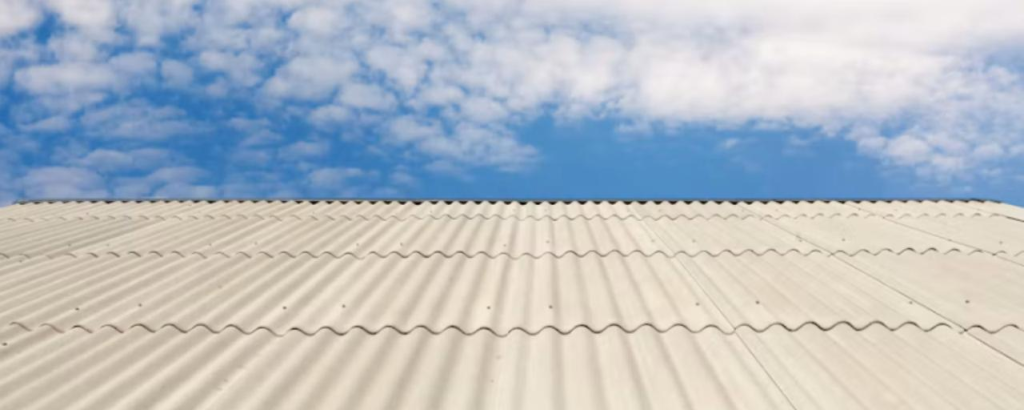
South African homes use several different roofing materials, each with particular strengths, limitations and maintenance requirements. The material chosen for a property is influenced by its architectural design, roof pitch, structural capacity, location and budget. While homeowners often compare materials according to appearance or expected lifespan, the quality of the underlying design and installation is just as important.
Concrete roof tiles
Concrete roof tiles are among the most recognisable roofing materials used on South African homes. Manufactured from cement-based materials and laid in overlapping courses, they create a durable covering that directs rainwater down the roof slope. They are available in different profiles and finishes, making them suitable for a wide range of residential architectural styles.
A properly designed and installed concrete-tiled roof can remain serviceable for decades, but the condition of the individual tiles tells only part of the story. Ridge details, valleys, underlays, battens and fixings also need to remain in suitable condition. Tiles can crack through impact, become displaced during strong winds or deteriorate as they age, creating opportunities for water to enter. In many cases, isolated damaged tiles can be replaced without disturbing the rest of the covering.
One consideration is weight. Concrete tiles place significant loads on the supporting structure, which must be designed accordingly. This becomes particularly important when replacing a lightweight roof covering with tiles or considering changes to an existing roof design. The fact that a building can physically accommodate the tiles does not establish that the structure has been designed to carry them safely.
Clay roof tiles
Clay roof tiles are manufactured from fired clay and are often associated with traditional, Mediterranean and heritage-inspired homes. Their colour, texture and weathering characteristics give them a distinctive appearance, and well-made tiles can provide a long service life when used in a suitable roofing system.
Their performance depends on correct installation, pitch, support and weatherproofing details. Some clay tiles are relatively brittle and can crack when walked on incorrectly, which makes careless roof access a particular concern. Repairs to older clay-tiled roofs can also be complicated by the availability of matching profiles, especially where the original tiles are no longer manufactured.
For homeowners with older clay roofs, preserving compatible materials and correct installation details is often more important than trying to modernise the appearance. A well-maintained older roof may still have many years of useful service remaining, even if its surface shows the natural effects of weathering.
Metal roofing
Metal roofing is widely used throughout South Africa, from contemporary suburban houses to farmhouses, coastal properties and residential extensions. Common systems include corrugated sheeting, IBR profiles and concealed-fix roofing systems. Depending on the material and profile, metal roofing can offer relatively low weight, long continuous sheet lengths and suitability for roof pitches where conventional tiles may not be appropriate.
The durability of metal roofing depends heavily on its protective coating, material specification, installation and exposure conditions. Galvanised and coated steel systems require particular attention to corrosion, especially around exposed edges, damaged coatings and fixing points. In coastal areas, salt-laden air can accelerate deterioration where unsuitable materials or fasteners have been used.
Exposed-fix roofing systems often rely on screws fitted with sealing washers. These components can deteriorate over time, eventually allowing water to enter around the fixing even when the sheet remains in reasonable condition. Thermal expansion and contraction must also be accommodated, as metal roofing responds to changes in temperature throughout the day and across the seasons.
A properly specified metal roof can perform extremely well, but simply replacing old sheets with new ones does not guarantee a lasting solution. The roof pitch, support spacing, fastener specification, overlap details and weather exposure must all be appropriate for the system being installed.
Flat and low-slope roofs
Contemporary South African homes increasingly incorporate flat-looking roofs, particularly over garages, extensions, balconies and modern architectural spaces. Despite their appearance, these roofs should still have a designed fall that allows water to reach suitable drainage outlets. A roof that is literally flat, with no effective drainage, creates conditions in which water can accumulate and place unnecessary demands on the waterproofing system.
Unlike conventional pitched tiled roofs, many flat roofs rely on waterproofing membranes or other continuous systems to resist water penetration. The effectiveness of these systems depends on the condition of the substrate, correct surface preparation, proper detailing around penetrations and parapets, and the ability of the roof to drain. A membrane may perform well across most of its surface but fail at a junction where movement or poor installation has compromised the seal.
Flat roofs are not inherently defective, nor do they have to be a constant source of leaks. They do, however, require an understanding of their drainage and waterproofing arrangements. A homeowner who knows where the outlets are located and recognises the significance of standing water is in a much better position to identify problems before they become serious.
Thatched and older fibre-cement roofs
Thatch remains part of South Africa’s architectural landscape, particularly in rural properties, lodges and homes designed around traditional or resort-style architecture. It is a specialised roofing system whose performance depends on the quality of the thatching material, roof pitch, construction and maintenance. Fire safety, insurance requirements and the condition of the thatch all require particular consideration, which is why experienced thatching specialists should be involved in inspections and repairs.
Older properties may also have corrugated fibre-cement roofing that contains asbestos. Not all fibre-cement products contain asbestos, and appearance alone is not a reliable way to establish whether a particular roof does. Where asbestos-containing material is suspected, homeowners should avoid drilling, cutting, sanding, pressure-washing or otherwise disturbing it until the material has been properly assessed. South Africa’s Asbestos Abatement Regulations govern work involving asbestos-containing materials, and removal or other disturbance may require appropriately qualified and authorised specialists.
The presence of an older asbestos-containing roof does not necessarily mean that immediate replacement is the safest response. The condition of the material, the likelihood of disturbance and the relevant regulatory requirements should guide the decision. Unnecessary handling can create risks that were not previously present.
Why roof pitch and design matter
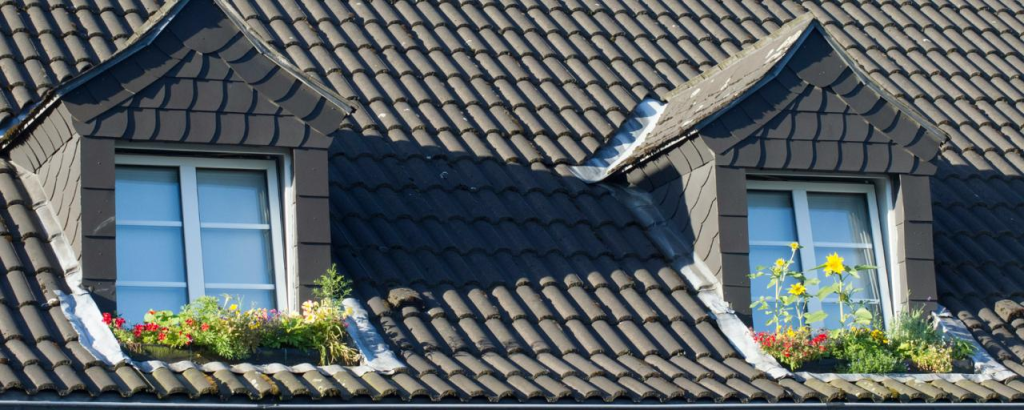
Roof pitch describes the slope of the roof, and it is one of the most important factors influencing how the roofing system performs. On a pitched roof, gravity moves rainwater down the surface towards the roof edge or a designated drainage channel. The pitch affects how quickly that movement occurs and influences the type of covering, overlap, fixing and weatherproofing details required.
A steeper roof generally sheds water more readily than a low-slope roof, but that does not automatically make it a better design. Different roofing materials are engineered for particular ranges of roof pitches. A metal roofing profile may be suitable for a relatively low slope, while a particular tile system may require a considerably steeper one. Attempting to use a covering below its specified minimum pitch can increase the risk of water entering through laps and joints, especially during wind-driven rain.
Roof shape introduces another layer of complexity. A simple gable roof with two slopes and straightforward drainage is usually easier to inspect and maintain than a roof with multiple valleys, dormers, skylights, parapets and intersecting roof sections. Every junction requires appropriate detailing, and many of those junctions concentrate the movement of rainwater. A valley collecting runoff from two roof slopes, for example, can carry substantially more water than an ordinary section of roof edge.
South Africa’s National Building Regulations address roofing requirements under Part L, with SANS 10400-L providing technical guidance on compliant roof construction. Requirements vary according to the roof type and system being used, which is why significant changes to roof pitch, covering or structure should be properly assessed rather than treated as routine cosmetic alterations.
How long should a roof last?
Asking how long a roof should last seems like a straightforward question, but the answer is more complicated than most homeowners realise. A roof is made up of several components, including its covering, supporting structure, flashing, underlay and waterproofing details, and these do not necessarily deteriorate at the same rate. A house might have serviceable roof tiles while the underlying weatherproofing has reached the end of its useful life. Another might have relatively new metal sheeting but already be experiencing corrosion around poorly installed fasteners.
This is why the age of a roof is useful information, but not a reliable diagnosis of its condition. A well-designed roof that has received appropriate maintenance may perform better after several decades than a much newer installation with poor detailing or unsuitable materials. Local climate also makes a difference. Coastal corrosion, repeated wind exposure, intense sunlight, hail and substantial seasonal rainfall can all affect the way a roof ages.
Maintenance influences lifespan as well, although it cannot prevent every form of deterioration. Replacing a damaged flashing before water reaches the structure can avoid secondary damage, while keeping roof drainage clear reduces the likelihood of persistent water accumulation. Similarly, identifying corrosion while it remains localised may allow a targeted repair rather than waiting until large sections of the covering are affected.
When assessing an older roof, it is therefore more useful to consider the condition of its individual components and how well they continue to function together. A professional inspection should identify which elements require immediate attention, which can reasonably be maintained and which may need replacing in the foreseeable future. This gives homeowners a more reliable basis for planning expenditure than relying on an arbitrary replacement age.
Why roofs leak, and why the source is not always obvious
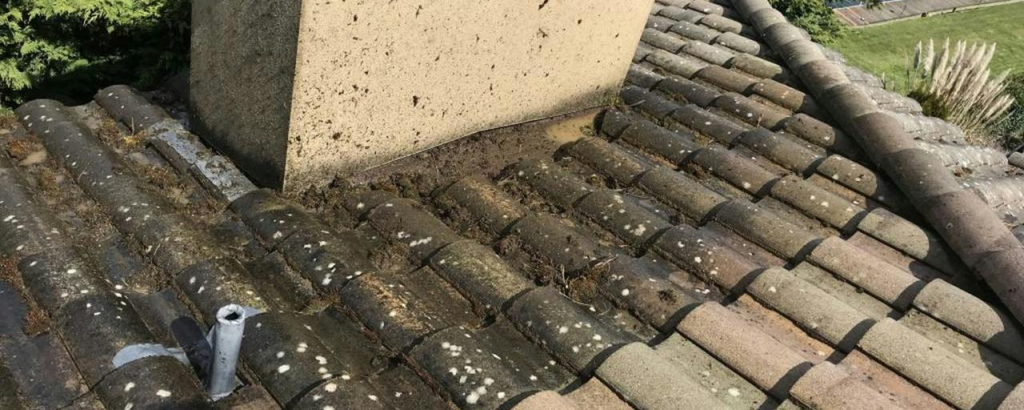
One of the most frustrating things about a roof leak is that the location of the water damage inside the house does not necessarily correspond with the point where rainwater entered. Water can travel along the underside of roofing materials, follow structural members or move across the ceiling before finding an opening through which to drip. By the time a stain becomes visible, the moisture may have travelled a considerable distance from the original defect.
This is why effective leak diagnosis begins with understanding how water is moving through the roof rather than simply repairing the surface above the stain. A contractor may need to consider the roof slope, nearby penetrations, flashing, valleys, wind direction and whether the leak appears during ordinary rainfall or only during severe weather. The circumstances in which the problem occurs can provide valuable clues.
Several common defects account for a significant proportion of residential roof leaks. Damaged or displaced tiles may expose vulnerable layers beneath them, while deteriorated flashing can allow water to enter around chimneys, walls or pipe penetrations. On metal roofs, failed fixing seals, corrosion or improperly detailed overlaps can create entry points. Flat roofs may develop leaks where membranes have deteriorated, separated or been damaged at junctions and outlets.
Blocked drainage can also contribute to problems that appear to be roofing failures. A valley filled with debris may no longer carry water effectively, while a blocked outlet on a flat roof can cause water to accumulate against vulnerable details. In these circumstances, applying additional waterproofing without correcting the drainage problem may provide only temporary relief.
Not every damp ceiling is evidence of rainwater entering from outside, either. Condensation can occur when warm, moisture-laden air encounters a sufficiently cold surface, particularly where ventilation, insulation or moisture control is inadequate. Plumbing leaks may also produce staining in locations that resemble roof leaks. A proper diagnosis should consider these possibilities before recommending work.
Common roofing problems and what they may indicate
| What you notice | Possible explanation |
| Water stains on the ceiling | Roof leakage, plumbing leakage or condensation |
| Missing or displaced tiles | Wind damage, deteriorated fixings or physical impact |
| Rust around metal roof screws | Deteriorating protective coatings, washers or incompatible fixings |
| Water entering during wind-driven rain | Vulnerable flashing, laps, junctions or inadequate roof detailing |
| Leaks near a chimney or wall | Failed flashing or waterproofing at the junction |
| Water remaining on a flat roof | Inadequate fall, blocked drainage or local deformation |
| Visible sagging along the roofline | Possible structural movement or deterioration |
| Damp fascia boards | Roof-edge leakage, overflowing gutters or faulty drainage |
These are possible explanations rather than confirmed diagnoses. Similar symptoms can result from different defects, and several problems can occur simultaneously. A homeowner should therefore regard visible deterioration as a reason to investigate rather than proof that a particular repair is required.
Where water is entering close to electrical fittings, the situation should be treated with particular caution. Avoid contact with wet electrical equipment and have the affected installation made safe by an appropriately qualified person. If the roof appears to be structurally unstable, keep people away from the affected area and arrange urgent professional assessment rather than attempting an inspection yourself.
How to maintain a roof properly
Good roof maintenance is primarily preventative. Its purpose is to identify deterioration before it compromises the building and to ensure that the components responsible for protecting the house continue working as intended. It does not require homeowners to inspect every tile or fastener themselves, but it does require a reasonable level of attention to the roof’s visible condition and performance.
A useful starting point is a periodic inspection from ground level. Look for changes to the roofline, missing or displaced tiles, damaged sheeting, loose flashing and vegetation or debris accumulating where it should not. Pay attention to fascia boards and gutters, as deterioration around the roof edge may indicate that water is no longer following its intended route. Inside the house, check ceilings and upper walls for new stains, bubbling paint or persistent moisture.
Professional inspections become particularly valuable when the roof is older, complicated, difficult to observe or has a history of leakage. A roofing specialist can assess areas that are not safely visible from the ground, including junctions, fasteners, valleys and waterproofing details. Where the inspection identifies possible structural movement or deterioration, a suitably qualified structural professional may also be required.
The frequency of inspection should reflect the property’s condition and exposure rather than an inflexible national rule. As a practical baseline, homeowners can visually check the roof a few times a year, including before their local rainy season, and arrange further assessment after significant storms or whenever new symptoms appear. Properties with recurring problems or difficult roof designs may benefit from a more formal annual inspection programme.
Keeping the roof and drainage system clean
Leaves, branches, seed pods and other debris can accumulate in valleys, gutters and drainage outlets, restricting the movement of rainwater. This is especially relevant to properties surrounded by mature trees, where a relatively short period of leaf fall can create substantial blockages. Keeping drainage routes clear helps prevent water from overflowing or collecting in areas that were not designed for prolonged exposure.
Roof cleaning itself requires more care. While dirt, algae and other deposits can affect the appearance of a covering, not every roof should be cleaned using the same method. High-pressure washing can damage certain surfaces, dislodge tiles, affect protective finishes or force water beneath overlaps. Some older materials are fragile or may contain asbestos, making inappropriate cleaning especially hazardous.
The correct cleaning method should therefore be selected according to the material, condition and manufacturer’s requirements. A clean-looking roof is not necessarily a better-maintained roof if the cleaning process has damaged the components responsible for keeping water out.
Roof painting and protective coatings
Painting can form part of the maintenance of certain roofing materials, particularly where an appropriate coating system helps protect the substrate from weather exposure. It may also improve the appearance of an ageing roof, but cosmetic improvement should never be confused with correcting structural or waterproofing defects.
Before a roof is painted, the existing surface needs to be assessed for corrosion, damaged components, contamination, moisture and coating failure. The new system must be compatible with the material beneath it, and preparation requirements should be followed carefully. Painting over loose coatings or deteriorating surfaces may produce an attractive initial finish without delivering lasting protection.
Homeowners should also be cautious when roof painting is presented as a solution to leakage. Some coating systems have waterproofing properties, but no general-purpose paint can reliably compensate for incorrectly installed flashing, inadequate drainage, structural movement or a covering unsuitable for its roof pitch. The underlying defect should be identified and repaired before protective treatments are considered.
Maintaining flat-roof waterproofing
Flat and low-slope roofs require particular attention to waterproofing and drainage because their performance depends on these components remaining effective together. Membranes may deteriorate through weather exposure, movement, poor adhesion or damage from maintenance activity. Junctions around parapets, pipes and other penetrations are especially important because they interrupt the continuity of the waterproofing system.
An inspection should consider whether the surface remains sound, whether laps and upstands are intact and whether water can reach the drainage outlets. Persistent standing water deserves investigation, although the significance of temporary ponding depends on the roof design and waterproofing specification. A suitable repair may involve localised work, but extensive membrane deterioration or recurring failures can justify a more substantial intervention.
Waterproofing should be treated as a designed system rather than a collection of products applied wherever a leak becomes visible. The substrate, drainage, movement and material compatibility all influence the correct repair.
Why roof maintenance differs across South Africa
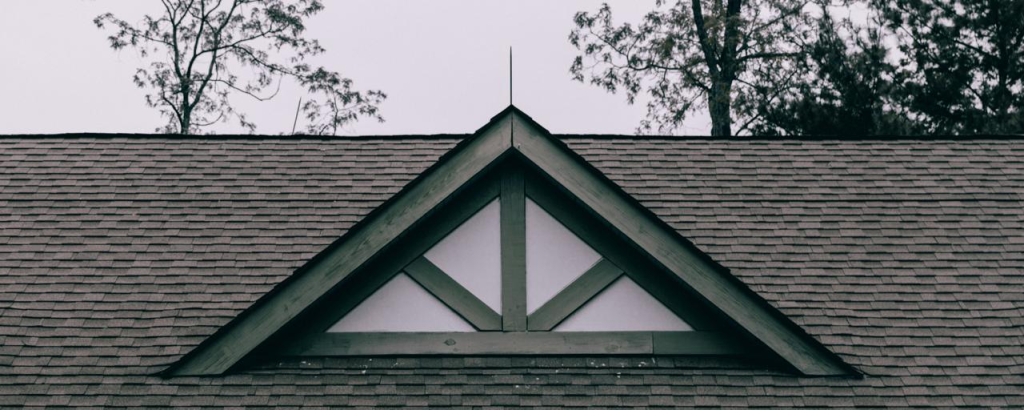
South Africa’s varied climate means that a maintenance calendar suitable for one region may be poorly timed for another. Much of the south-western Cape receives its rainfall during winter, whereas Gauteng and large parts of the interior experience predominantly summer rainfall. Coastal environments add further considerations, including salt exposure, humidity and periods of intense rainfall.
For homeowners in Cape Town and other winter-rainfall areas, autumn is generally a sensible period for preparing the roof before sustained winter weather arrives. This means assessing the visible covering, arranging necessary repairs and checking that gutters, valleys and stormwater outlets are clear. Homes in exposed coastal locations should pay particular attention to metal components and fixings, as corrosion can develop more rapidly where protective systems are unsuitable or deteriorating.
In Johannesburg, Pretoria and other summer-rainfall areas, preparation should normally happen ahead of the summer thunderstorm season. Strong winds, hail and intense rainfall can reveal weaknesses that remain unnoticed during drier months. Roofs should also be assessed after significant storms, particularly where there is evidence of impact damage or displacement.
Durban and other coastal locations may require more evenly distributed maintenance because rainfall and moisture exposure can remain important throughout the year. Properties with complex roofs, substantial vegetation or recurring drainage problems may need additional inspections regardless of region.
The most useful principle is to prepare the roof before the season most likely to test it. Maintenance carried out after the first serious leak may still solve the problem, but it has lost much of its preventative value.
Repairing a roof versus replacing it
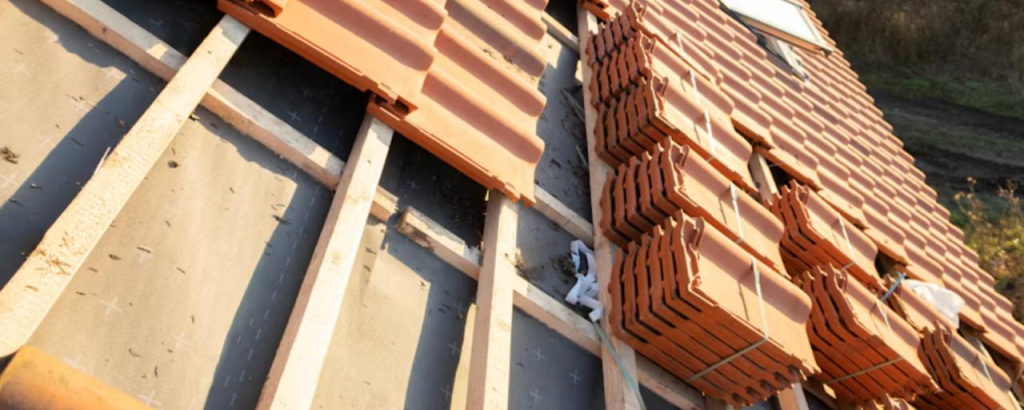
One of the most consequential decisions a homeowner may face is whether to repair an existing roof or replace it. The financial difference can be substantial, and the correct decision is not always obvious from the age or appearance of the covering. A roof that looks weathered may still be fundamentally sound, while a comparatively new installation may have defects serious enough to justify extensive corrective work.
Repair is generally worth considering when deterioration is localised and the surrounding system remains in reasonable condition. Replacing a small number of damaged tiles, correcting defective flashing or repairing an isolated section of metal sheeting may restore reliable performance without disturbing the entire roof. The important requirement is that the repair addresses the cause of the problem, rather than merely hiding its visible symptoms.
Replacement becomes more compelling where deterioration is widespread, the existing installation is fundamentally unsuitable or repeated repairs are no longer providing dependable results. Extensive corrosion, substantial damage to the covering, recurring failures across multiple areas or an inappropriate roof design may all warrant a broader solution. However, the extent of replacement should still be determined by a proper assessment. It may be possible to replace the covering while retaining a sound supporting structure, whereas other situations require structural work as well.
The financial decision should consider more than the cost of the immediate repair. If a roof is likely to require several expensive interventions over the next few years, replacement may offer better long-term value. On the other hand, replacing an entire roof because of a small and isolated defect can be an unnecessary use of money.
A useful contractor assessment should explain the available options, the expected lifespan of each solution and the risks associated with delaying more extensive work. Homeowners should be wary of recommendations that present full replacement as the only option without adequately explaining why targeted repairs are inappropriate.
Understanding roofing costs in South Africa
Roofing costs vary significantly because the term roofing work covers several very different activities. Replacing a few damaged tiles, repairing flashing, renewing waterproofing and installing an entirely new roof covering involve different materials, equipment, labour requirements and levels of technical complexity. Comparing these projects through a single national price-per-square-metre figure can therefore be misleading.
Roof size is an obvious influence on cost, but complexity often matters just as much. A straightforward single-storey roof with accessible edges and relatively few junctions is generally easier to work on than a steep, multi-level roof with numerous valleys, rooflights and penetrations. Access equipment, site conditions, removal of existing materials and the extent of damage beneath the covering can all affect the final quotation.
Material selection creates further variation. Different tile profiles, metal roofing systems and waterproofing products have different purchase and installation costs. A quotation that includes underlay, flashing, suitable fixings and the necessary supporting work may be more expensive than one that provides only the visible roof covering, but the two are not equivalent.
Homeowners should therefore focus on obtaining clearly defined quotations that can be compared on the same basis. Rather than asking only what the job costs per square metre, establish exactly what is being supplied, what preparation is included, which existing components are being retained and how the completed installation will be inspected.
What a good roofing quotation should explain
| Quotation element | Why it matters |
| Diagnosis and proposed scope | Establishes what problem is being solved and which areas are affected. |
| Materials and specifications | Allows the homeowner to understand the quality and suitability of the proposed system. |
| Preparation and removal | Clarifies whether cleaning, stripping, waste disposal or substrate work is included. |
| Structural considerations | Identifies whether engineering assessment or structural modifications are necessary. |
| Flashing and waterproofing details | Confirms that vulnerable junctions are addressed rather than overlooked. |
| Access and safety arrangements | Establishes how work will be performed safely and whether access equipment is included. |
| Exclusions and variations | Reduces disputes over defects discovered after work begins. |
| Warranties and completion checks | Clarifies responsibility for workmanship and how completed work will be verified. |
For major work, obtaining more than one quotation is generally sensible, provided the contractors are evaluating the same problem and proposing reasonably comparable solutions. A lower price may reflect efficiency, but it may also reflect omitted materials, incomplete preparation or a narrower scope. Understanding the difference is more valuable than automatically accepting the cheapest offer.
Solar panels, structural alterations and roof safety
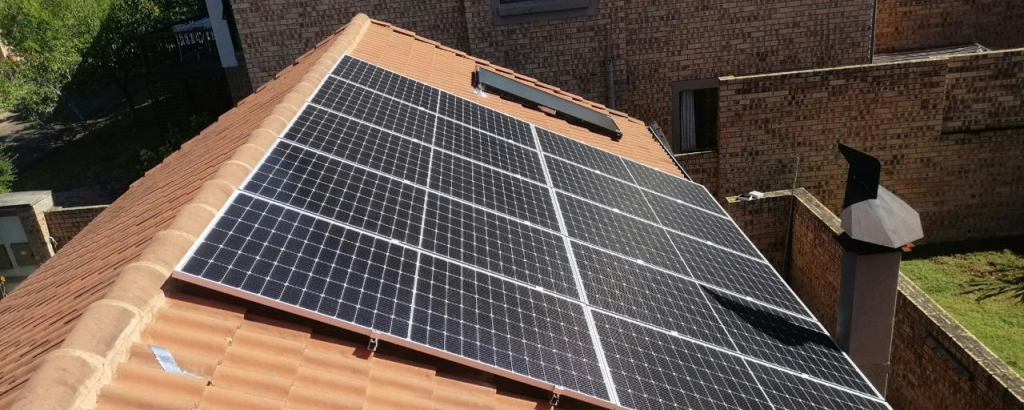
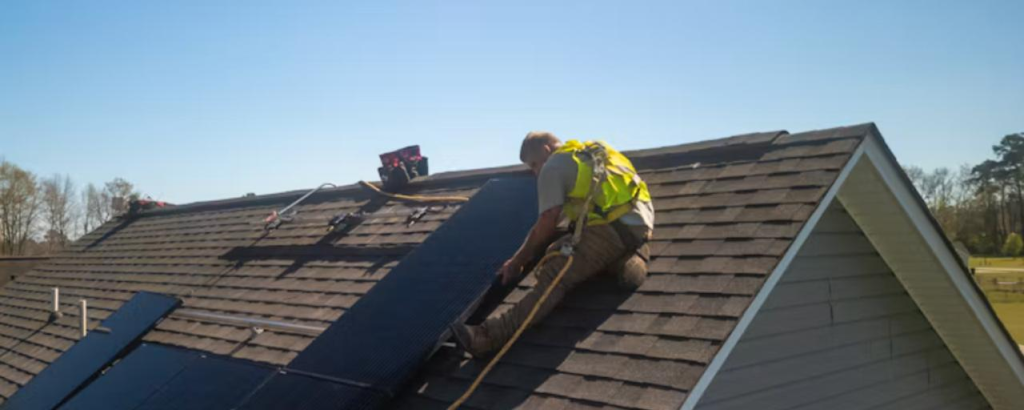
Roofs are increasingly being used to support equipment that was not necessarily part of the original building design. Solar panels are the most obvious example, but solar geysers, air-conditioning equipment, satellite dishes and other installations can also introduce additional loads or penetrations.
Before installing equipment, the condition and structural capacity of the roof should be considered. Mounting systems and solar panels introduce weight and wind forces, while the installation method may require fixings that penetrate or connect to existing roof components. The mounting arrangement must be compatible with the roofing system, and all penetrations need appropriate weatherproofing.
It may also be worth assessing the roof’s remaining useful life before installing solar equipment. If major roofing work is likely to be required within a few years, completing that work before installing the panels could avoid the expense and inconvenience of removing and reinstalling the solar system later.
Structural alterations require even greater caution. Engineered timber trusses are designed as complete systems, and cutting or removing individual members can compromise their ability to carry loads safely. What appears to be an unnecessary piece of timber may be essential to the performance of the entire roof structure.
Changes to the roof’s shape, structure or covering may also have building-plan implications. The requirements depend on the municipality and the nature of the work. For example, the City of Cape Town distinguishes between certain minor roof repairs and alterations that affect fundamental elements of a building. Homeowners planning significant roofing changes should confirm approval and professional-design requirements before work begins.
What homeowners should know about roofing warranties and insurance
Roofing warranties can provide useful protection, but homeowners need to understand exactly what they cover. A manufacturer’s product warranty is not necessarily the same as a contractor’s workmanship guarantee, and neither should be assumed to cover every possible cause of future leakage.
A product warranty may relate to the performance of a particular material under specified conditions. A workmanship guarantee generally concerns the quality of the contractor’s installation, although its scope and duration depend on the agreement. Water damage caused by blocked drainage, later alterations or unrelated defects may fall outside both.
The National Home Builders Registration Council (NHBRC) provides additional consumer protection for qualifying enrolled new homes. Its published warranty framework includes provisions for minor defects notified within the first three months of occupation, roof leaks notified within the first year and major structural defects notified within the first five years. The relevant procedures, responsibilities and eligibility requirements apply, so homeowners dealing with defects in recently completed properties should check their enrolment documents and notify the builder in writing within the applicable period.
Homeowners’ building insurance is another consideration. Policies may cover damage arising from certain sudden events, such as storms, but they commonly distinguish between insured events and gradual deterioration, wear and tear or maintenance-related problems. It is therefore unwise to assume that any roof leak will automatically result in a successful insurance claim.
Keeping a record of roof inspections, repairs, invoices, photographs and warranty documents can be valuable in this regard. Good documentation helps establish the history and condition of the roof, supports future maintenance decisions and may assist when dealing with contractors, buyers or insurers.
Choosing the right roofing contractor
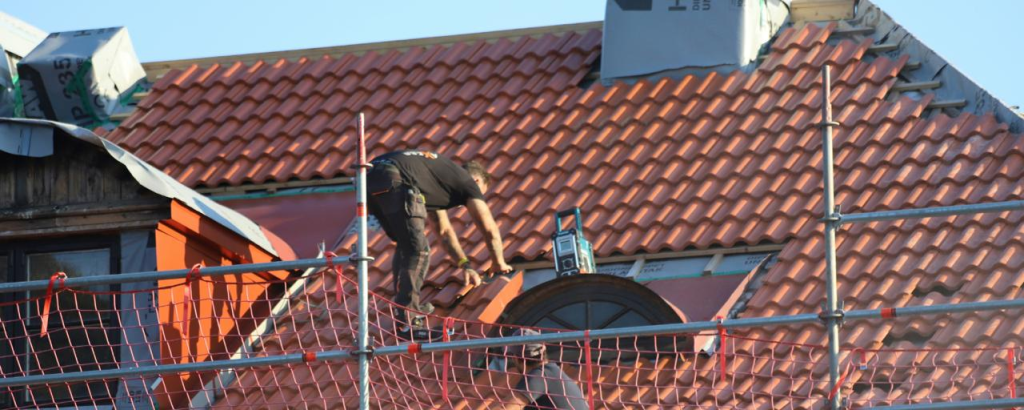
Roofing is an area where poor workmanship can remain hidden until the next period of heavy rain. It is also difficult for homeowners to inspect the finished work closely, which makes contractor selection especially important.
A capable contractor should be able to explain what is wrong, how the problem was identified and why the proposed repair or replacement is appropriate. The explanation should distinguish between the visible symptoms and the underlying cause. If a ceiling is stained because water entered through a failed flashing, for example, the proposed work should address the flashing rather than simply sealing or painting the area around the visible damage.
Experience with the specific roof type also matters. A contractor who routinely works with concrete tiles may not necessarily have the expertise required for specialised waterproofing membranes, engineered structural alterations or asbestos-containing materials. Where the work extends beyond the contractor’s competence, they should be prepared to recommend the appropriate specialist.
Before accepting a substantial quotation, ask for a written scope identifying the materials, work sequence, site protection requirements and completion standard. It is also worth establishing how unexpected defects will be handled. A contractor may uncover deteriorated timber, damaged underlays or other concealed problems after removing the covering, and there should be an agreed process for documenting and approving any additional work.
For particularly expensive or complicated projects, an independent professional opinion can be worthwhile. It may confirm the original recommendation, identify a more proportionate solution or reveal aspects of the roof that require further investigation. The objective is not to distrust every contractor, but to make a consequential property decision on the basis of reliable information.
The South African homeowner’s roof maintenance checklist
A maintenance checklist is most useful when it helps homeowners identify changes and plan action, rather than encouraging them to attempt specialist work. The following table provides a practical starting point for monitoring the condition of a roof throughout the year.
| Area | What to look for | When to check |
| Roof covering | Missing, cracked, displaced or visibly damaged tiles or sheets | Before the rainy season and after severe weather |
| Roofline | Unusual sagging, movement or visible distortion | During periodic exterior inspections |
| Ridges and valleys | Damaged junctions, loose materials or debris accumulation | Before the rainy season |
| Flashing | Visible deterioration, corrosion or displacement | During professional inspection |
| Metal roof fixings | Rust, loose fasteners or deteriorated seals | During professional inspection |
| Flat-roof waterproofing | Lifting, cracking, damaged seams or standing water | Periodically and after heavy rainfall |
| Gutters and downpipes | Blockages, sagging, leaks and overflowing water | Before the rainy season and as debris accumulates |
| Fascia boards | Moisture damage, peeling paint or deterioration | During exterior inspections |
| Ceilings and upper walls | Water stains, mould, bubbling paint or unusual moisture | During routine household inspections |
| Roof space | Signs of moisture, structural deterioration or condensation | During safe, appropriate professional assessment |
| Solar and mounted equipment | Suspected loose mountings or leakage around penetrations | During qualified inspections |
| Nearby vegetation | Overhanging branches or debris collecting on the roof | Seasonally and before major storms |
| Maintenance records | Previous repairs, warranties, photographs and inspection reports | After every significant job |
The checklist should be adapted to the property rather than followed mechanically. A flat-roofed townhouse, a thatched house and a large tiled home surrounded by mature trees have different maintenance needs. What matters is establishing a routine appropriate to the roofing system and making sure that observed problems lead to action.
It is also important to recognise the limits of visual inspection. Some defects cannot be identified from the ground, while others remain hidden beneath roofing materials or inside structural connections. The absence of visible damage does not guarantee that every component is sound, particularly when the roof has a history of leakage or has experienced severe weather.
Frequently asked questions about roofing in South Africa
What is the best type of roof for a South African house?
There is no single roofing material that is best for every South African home. Concrete tiles, clay tiles, metal roofing and flat-roof systems can all perform well when they are appropriately designed and installed. The correct choice depends on the roof pitch, structural capacity, architectural requirements, local climate, maintenance expectations and budget. It is generally more useful to prioritise a properly specified complete roofing system than to choose a material based solely on appearance or advertised lifespan.
How often should a residential roof be inspected?
Homeowners should visually check their roofs periodically, particularly before their local rainy season and after severe storms. Older roofs, complicated roof designs and properties with a history of leaks may benefit from more frequent professional inspections. The appropriate interval should reflect the condition and exposure of the roof, as well as any maintenance requirements provided by the manufacturer or installer.
Can a leaking roof be repaired without replacing it?
Many roof leaks can be repaired without replacing the entire covering, particularly where the defect is localised and the surrounding system remains sound. Damaged tiles, defective flashing and certain fixing problems are examples of issues that may be suitable for targeted repairs. However, widespread deterioration, unsuitable design or repeated failures may justify replacement. The decision should follow a proper diagnosis rather than being based solely on the presence of a leak.
Does painting a roof make it waterproof?
Not necessarily. Certain coating systems can contribute to weather protection when applied to suitable materials under the correct conditions, but painting should not be treated as a substitute for repairing damaged components or defective waterproofing. A roof that leaks because of failed flashing, inadequate drainage or structural movement requires the underlying problem to be corrected. Applying a coating without that diagnosis may temporarily disguise the symptoms while allowing further deterioration.
Are flat roofs more likely to leak?
Flat roofs depend heavily on the quality of their waterproofing and drainage systems, which means poorly designed or maintained installations can be vulnerable to water penetration. However, a properly designed flat roof with appropriate falls, outlets, membranes and junction details can perform reliably. The important distinction is between a roof that is inherently unsuitable and one whose design, construction or maintenance has been inadequate.
Can solar panels be installed on an older roof?
They often can, but the roof should be assessed before installation. The condition of the covering, structural capacity, remaining service life and suitability of the proposed mounting system all influence the decision. If the roof is likely to require extensive work in the near future, it may be more economical to complete that work before installing solar equipment rather than paying to remove and reinstall the panels later.
Should I replace my roof before selling my house?
Not automatically. A roof in reasonable condition may only require routine maintenance or targeted repairs, while a seriously deteriorated roof may influence the property’s value and a buyer’s willingness to proceed. A professional assessment can help identify defects that should be addressed, future expenditure that should be disclosed and repairs that are unlikely to provide meaningful value. The best decision depends on the roof’s actual condition and the circumstances of the sale.
A good roof is one you rarely have to think about
There is a certain irony in the way we value our homes. We spend considerable time choosing finishes, furniture, lighting and other details that make a property pleasant to live in, yet some of the systems that protect those investments receive very little attention. The roof is one of them. It is constantly exposed to the elements, quietly performing a task that only becomes obvious when something fails.
Looking after a roof does not require an obsession with maintenance or a willingness to replace components simply because they are getting older. It requires an understanding of how the system works, an awareness of the conditions in which it operates and a habit of investigating deterioration before it becomes extensive. A small defect discovered during a routine inspection is generally much easier to manage than water damage discovered after several months of unnoticed leakage.
Perhaps the most useful change a homeowner can make is to stop thinking of the roof as a permanent feature and start thinking of it as a collection of components with different maintenance requirements and service lives. That perspective encourages more informed inspections, more realistic budgeting and better conversations with roofing professionals.
You do not need to know how to build a roof to look after one properly. You simply need to understand what it is supposed to do, recognise when something has changed and insist on finding the cause before committing to the solution.
A well-maintained roof protects more than the structure of a house. It protects the home, belongings and everyday life beneath it.
And when it is doing that job properly, you should hardly notice it at all.
Keep your home one step ahead
The Homeowner’s Manual helps South Africans understand, maintain and improve their homes through practical guides, maintenance advice and straightforward explanations of the systems that keep a property working.
Our newsletter brings useful homeowner knowledge, seasonal reminders and practical guidance to your inbox, helping you make better decisions about caring for your home.
Subscribe to The Homeowner’s Manual.
For further reading, explore The Complete South African Home Maintenance Guide and The Complete South African Homeowner’s Guide to Gutters and Downpipes. If your roof is leaking, showing signs of structural deterioration or requires specialised waterproofing work, arrange an assessment with an appropriately qualified roofing or structural professional.